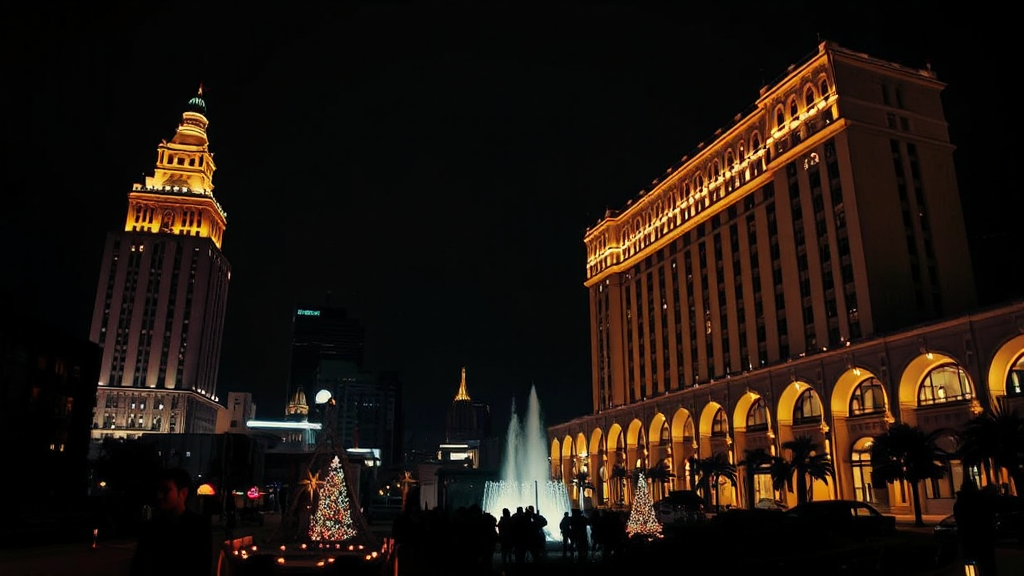
The Art of Timeless Hospitality: Lessons from Classic Hotel Traditions
In an era where digital convenience often overshadows personal connection, the world of hospitality remains a bastion of human interaction and crafted experience. The best hotels do not merely provide a place to sleep; they curate an atmosphere that lingers in memory long after checkout. Understanding the principles behind such enduring service can transform any business, from a small bed-and-breakfast to a corporate retreat center. This article explores the foundational elements of classic hospitality and how modern establishments can draw inspiration from time-honored traditions. Whether you manage a boutique inn or simply appreciate fine service, the lessons embedded in historic hotel culture offer a roadmap to excellence. For those seeking a tangible example of these values in practice, consider the approach taken by thebiltmorehotels, which seamlessly blends heritage with contemporary comfort.
The Cornerstone of First Impressions
The moment a guest crosses the threshold, a subconscious evaluation begins. Lighting, scent, sound, and the warmth of a greeting all coalesce into an immediate impression. Classic hotels understood that the entrance is not just a doorway but a transition from the ordinary to the extraordinary. A grand lobby with high ceilings, a carefully positioned concierge desk, and the subtle aroma of fresh flowers or polished wood set a tone of refined care. In today’s fast-paced world, this principle remains vital. A clean, welcoming lobby with attentive staff who anticipate needs—perhaps offering a cool towel on a hot day or a warm drink in winter—creates a psychological anchor. The guest feels seen and valued before any formal transaction occurs. This initial rapport builds trust and sets the stage for a memorable stay. Modern properties can replicate this by training front-desk teams to make eye contact, smile genuinely, and address guests by name whenever possible. Small gestures, like a handwritten welcome note or a complimentary local snack, elevate the experience from transactional to relational.
The Power of Consistency in Service Standards
One hallmark of legendary hospitality is the unwavering consistency of service. Whether a guest visits a hotel in London, New York, or Tokyo, they expect a certain baseline of quality. This reliability is not accidental; it results from meticulous training, clear protocols, and a culture that celebrates attention to detail. Classic hoteliers instilled in their staff a sense of pride in every task, from the precise folding of a towel to the perfect temperature of a morning coffee. Consistency does not mean rigidity, however. The best establishments empower employees to adapt to individual preferences while maintaining core standards. For example, a housekeeper might notice a guest prefers extra pillows and automatically provide them for the remainder of the stay. This blend of structure and flexibility creates a seamless experience. For businesses outside the hotel industry, applying this principle means developing standard operating procedures that are both thorough and human-centered. Regular audits, feedback loops, and recognition programs help sustain high performance over time.
Personalization: The Heart of Memorable Stays
While consistency provides a reliable foundation, personalization adds the emotional resonance that turns a good stay into an unforgettable one. Classic hotels excelled at remembering returning guests—their favorite room, dietary restrictions, or preferred newspaper. In the modern context, technology enables personalization at scale, but the human touch remains irreplaceable. A concierge who recalls a previous conversation about art and recommends a gallery opening, or a bartender who remembers a guest’s preferred cocktail, creates a sense of belonging. Training staff to actively listen and record preferences in a discreet manner is essential. Simple acts, such as adjusting room temperature before arrival or providing a list of nearby running routes for a fitness enthusiast, demonstrate genuine care. The goal is to make each guest feel like the only guest, even in a bustling property. This approach builds loyalty and generates word-of-mouth referrals that no advertisement can match.
Designing for Comfort and Function
The physical environment of a hotel plays a critical role in guest satisfaction. Classic hotels invested heavily in architecture and interior design that balanced elegance with comfort. High-quality linens, ergonomic furniture, and thoughtful layouts were non-negotiable. Today, the trend toward minimalist and modern aesthetics must not sacrifice functionality. A beautiful room is useless if the lighting is poor for reading, the Wi-Fi is unreliable, or the bathroom lacks adequate counter space. Smart design considers the entire guest journey: from the ease of checking in, to the comfort of the bed, to the convenience of power outlets near the nightstand. Acoustic insulation is also crucial; nothing disrupts rest more than noise from adjacent rooms or the hallway. Hotels that prioritize these details demonstrate respect for the guest’s time and well-being. Even budget properties can excel by focusing on cleanliness, a comfortable mattress, and a quiet environment. The takeaway for any service-based business is that the physical space should support the intended experience, not hinder it.
Embracing Local Culture and Authenticity
Travelers today crave authentic experiences that connect them to the destination. Classic hotels often served as cultural ambassadors, showcasing local art, cuisine, and traditions. This principle remains highly relevant. A hotel that sources its coffee from a nearby roastery, displays works by local artists, or partners with regional tour guides offers guests a richer stay. The lobby can become a gallery, the restaurant a showcase for local ingredients, and the concierge a curator of hidden gems. This authenticity extends to staff interactions as well. Employees who share personal recommendations—where they eat on their day off, which park they walk their dog—provide invaluable insight that guidebooks cannot replicate. For properties in major cities, this local flavor distinguishes them from generic chains. It also fosters community goodwill, as local businesses benefit from the hotel’s referrals. Ultimately, embracing authenticity transforms a hotel from a mere accommodation into a gateway to discovery.
The Role of Technology in Enhancing Hospitality
While tradition forms the backbone of great service, technology can amplify and streamline it. Classic hotels did not have mobile check-in or smart room controls, but modern guests often expect these conveniences. The key is to deploy technology that enhances rather than replaces human interaction. For example, a mobile app that allows guests to request extra towels or book a spa appointment frees staff to focus on more complex needs. Smart thermostats and lighting can be programmed to suit individual preferences, improving comfort while saving energy. However, technology should never feel cold or impersonal. A chatbot that cannot answer nuanced questions frustrates guests; a self-check-in kiosk that leaves no room for a warm welcome diminishes the first impression. The ideal approach is a hybrid model: use digital tools for efficiency but maintain human touchpoints for emotional connection. Hotels that strike this balance earn loyalty from tech-savvy travelers without alienating those who prefer traditional service.
Building a Culture of Service Excellence
Behind every great hotel is a team that believes in the mission of hospitality. Creating such a culture requires intentional leadership. Classic hoteliers often led by example, working alongside their staff and demonstrating the standards they expected. Today, this means investing in hiring for attitude as much as skill, providing ongoing training, and recognizing exceptional performance. Employees who feel valued are more likely to extend genuine warmth to guests. Regular team meetings, open communication channels, and opportunities for advancement foster a sense of ownership. When a housekeeper takes pride in a perfectly made bed or a front desk agent remembers a guest’s anniversary, the result is a cohesive experience that guests can feel. This culture extends beyond the hotel walls; it influences how staff interact with each other, with vendors, and with the community. A positive internal culture inevitably radiates outward, creating a virtuous cycle of satisfaction.
FAQs
What defines a classic hotel experience?
A classic hotel experience is characterized by impeccable service, attention to detail, a welcoming atmosphere, and a sense of timeless elegance. It prioritizes guest comfort and personalization while maintaining consistent standards across all interactions.
How can small hotels compete with large chains?
Small hotels can differentiate through personalized service, local authenticity, and flexibility. By focusing on unique design, community partnerships, and genuine staff interactions, they can create memorable experiences that larger chains often struggle to replicate.
Why is local culture important in hospitality?
Local culture adds depth and authenticity to a guest’s stay. It allows travelers to connect with the destination on a deeper level, supports local economies, and creates distinctive memories that generic environments cannot provide.
What role does technology play in modern hospitality?
Technology enhances efficiency and convenience but should complement rather than replace human interaction. Tools like mobile check-in, smart room controls, and personalized apps can improve the guest experience when implemented thoughtfully.
How can hotels maintain consistent service quality?
Consistency requires clear standards, regular training, feedback systems, and a culture that values excellence. Empowering staff to make decisions within set guidelines helps maintain quality while allowing for personal touches.
For readers who want to learn more about thebiltmorehotels, it helps to compare different approaches, read expert opinions, and consider how the topic fits into the broader general landscape.
Another key aspect of thebiltmorehotels is understanding how it relates to other topics in the same field. Many experts recommend starting with a clear overview before diving into specific techniques or strategies.