Four Machines, Four Jobs: Matching Tools to Santa Terezinha Blockages
When a drain backs up, the machine that arrives at your door matters more than the number on the invoice. A manual snake, an electric auger, a hydrojetter and a suction truck each solve a different physical problem, and using the wrong one wastes hours and can crack older pipes. If you are searching for a desentupidora Tremembé because water is rising in a Santa Terezinha property, the fastest path to a real fix is knowing which tool your blockage actually needs.
This is a technical comparison written for the person who has to authorize the service: the homeowner, the shop owner or the building manager. It maps four common machines to the blockage scenarios they handle best and the ones where they fail.
Why Tool Selection Decides the Outcome in Santa Terezinha
Santa Terezinha mixes older residential plumbing with newer commercial fit-outs, and that variety produces very different obstructions. A kitchen line clogged with grease behaves nothing like a main sewer line packed with roots or a floor drain full of construction grit. The tool has to match the material, the pipe diameter and the distance from the access point.
Choosing poorly has consequences beyond delay. A stiff cable forced through a fragile clay or PVC joint can chip it, and a high-pressure jet aimed at a soft blockage in a narrow branch line can push the problem deeper instead of clearing it. Match the machine to the blockage, not to the price list.
When you call a desentupidora Tremembé São Paulo SP, ask which equipment the technician intends to bring. A company that can describe its tools by name is usually the one that will diagnose before it starts.
The Manual Snake: Small, Precise, Limited by Distance
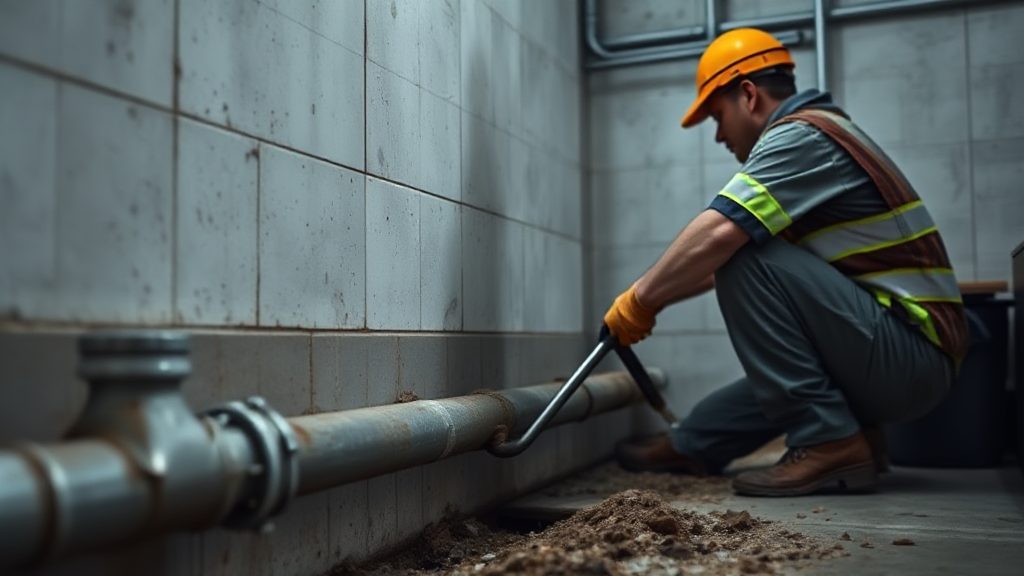
The manual snake is a hand-cranked steel cable, typically 5 to 10 millimeters thick, fed into a fixture through a trap or cleanout. It is the least aggressive tool on the list and the easiest to control, which makes it ideal for short runs inside a single bathroom or kitchen.
Where the manual snake wins
It handles hair clogs in sink and shower drains, small grease plugs near the trap, and obstructions in branch lines no more than a few meters from the access point. Because the operator feels every turn, it is also the safest choice when the pipe material is unknown or visibly aged.
Where it fails
The manual snake cannot reach a main line 15 meters from the cleanout, and it does not remove buildup along the pipe walls. It punches a hole through soft blockages rather than clearing them, so the drain often slows again within weeks. For root intrusion or heavy scale, it is the wrong first move.
The Electric Auger: Power for Branch Lines and Short Mains
An electric auger, sometimes called a drum machine, motorizes the same cable principle with a spinning drum that drives a larger cutter head. It reaches farther than a manual snake, usually 15 to 25 meters, and cuts through tougher material with less operator strain.
Where the electric auger wins
It is the workhorse for toilet blockages, laundry lines and short main-line runs where the obstruction is solid, such as a mass of paper, wipes or a small root cluster. The rotating cutter head breaks material apart instead of pushing it, which reduces the chance of a repeat clog.
Where it fails
Augers do not clean pipe walls, so grease and scale remain and trap debris again. They also require the right cutter head for the pipe material; the wrong bit can scar plastic. In long, offset or heavily root-infested mains, the cable may bind, and continuing to force it risks damaging the line. That is the point where a different machine should take over.
The Hydrojetter: Wall-to-Wall Cleaning Under Pressure
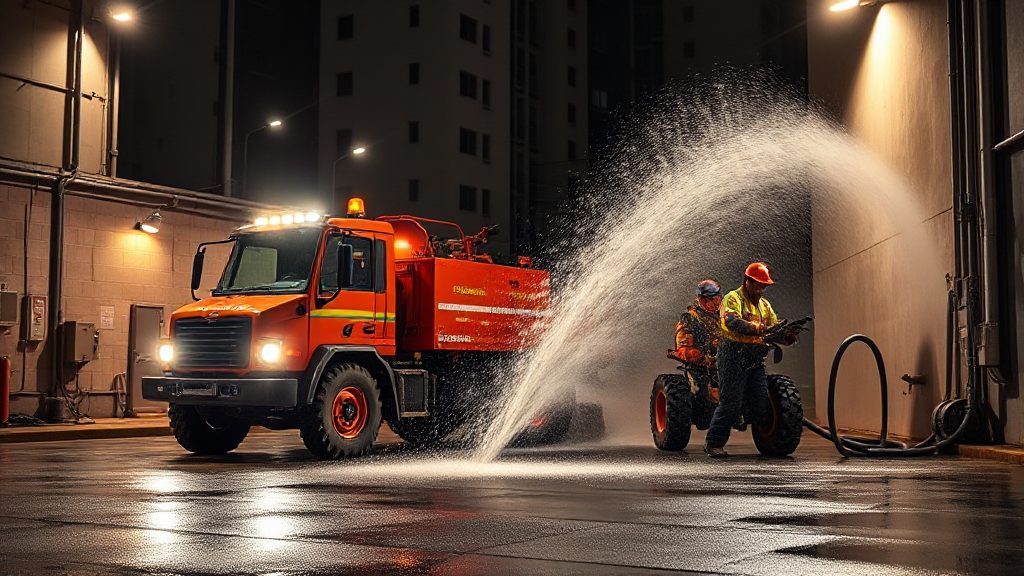
A hydrojetter sends water at high pressure through a hose fitted with forward and rear-facing nozzles. The forward jets cut into the blockage while the rear jets pull the hose deeper and flush loosened debris back toward the access point. It is the only tool on this list that cleans the full interior surface of the pipe.
Where the hydrojetter wins
Grease-heavy restaurant lines, scale buildup in older cast iron, silt in long horizontal runs and root masses in main sewers are all hydrojetter territory. Because it scours the walls, it removes the film that causes clogs to return, making it the standard choice for preventive maintenance in condominiums and commercial kitchens.
Where it fails
Pressure is only safe when the pipe can take it. A hydrojetter should not be used on fragile, collapsed or severely corroded lines without inspection first, and it is overkill for a single hair clog in a bathroom sink. It also needs a water source and enough access space, so tight indoor fixtures sometimes rule it out. A qualified desentupidora em Tremembé São Paulo SP will confirm pipe condition before pressurizing.
The Suction Truck: Removing What the Other Tools Loosen
The suction truck, or vacuum truck, uses a high-capacity pump and tank to pull liquid and semi-solid waste out of a system. It does not cut through blockages the way an auger or jetter does; it removes the material those tools dislodge and clears spaces where water alone cannot work.
Where the suction truck wins
It is essential for septic tank pumping, grease trap emptying, flooded inspection boxes and manholes filled with sludge. After hydrojetting a main line, the truck removes the flushed debris so it does not settle downstream and recreate the clog.
Where it fails
A vacuum cannot clear a hard root mass or a tightly packed dry blockage deep in a narrow branch line. It also cannot clean pipe walls. Used alone on a grease-clogged kitchen line, it removes what is reachable but leaves the coating that causes the next backup.
Matching Each Machine to Common Santa Terezinha Blockage Scenarios
The table below summarizes the practical fit. Use it as a conversation starter when the technician arrives, not as a substitute for an on-site inspection.
| Blockage scenario | Best first tool | Why | Poor fit |
|---|---|---|---|
| Hair or soap clog in a bathroom sink | Manual snake | Short run, delicate trap, precise control | Hydrojetter (unnecessary pressure) |
| Toilet or laundry line blockage | Electric auger | Cuts through solid material in branch lines | Suction truck alone |
| Grease-heavy restaurant kitchen line | Hydrojetter | Scours walls and removes grease film | Manual snake (punches a hole only) |
| Root intrusion in a main sewer | Hydrojetter with root cutter, then suction truck | Cuts roots and removes debris | Manual snake |
| Septic tank or grease trap full | Suction truck | Removes liquid and semi-solid waste | Auger (cannot remove volume) |
| Flooded inspection box or manhole | Suction truck | High-capacity extraction | Hydrojetter before extraction |
In most real jobs, two tools work in sequence. An auger opens a path, a jetter cleans the walls, and a suction truck hauls the debris away. A company that arrives with only one machine will often stop at the first partial success.
What to Ask Before You Authorize the Service
Before signing off on the work, ask three questions: what is the suspected cause, which machine will be used first, and what happens if that machine does not clear the line. A technician who can answer all three has a plan; one who cannot is guessing.
Also confirm whether the price includes debris removal and a follow-up check. Hydrojetting without extraction can leave loosened material in the line, and an auger pass without a camera check can miss a collapsed section. Ask whether pipe inspection is part of the visit. It is the difference between clearing a symptom and fixing the cause.
Finally, verify that the team carries the right cutter heads and nozzle sizes for your pipe material. Santa Terezinha properties range from older homes with clay or cast iron to newer buildings with PVC, and the same machine behaves differently in each. A brief conversation about materials and access points protects your plumbing and your budget.
Preventing the Next Blockage After the Machine Leaves
Once the line is clear, the goal shifts from repair to prevention. Grease should never go down the kitchen drain, wipes and paper towels belong in the trash, and floor drains in commercial areas benefit from periodic hydrojetting rather than waiting for a backup.
For buildings with septic systems, schedule pumping before the tank reaches capacity, and keep root-prone trees away from main sewer runs. A short preventive visit costs far less than an emergency call at night, and it keeps the same blockage from returning within a season.
The right machine solves today’s problem; the right maintenance schedule prevents the next one. Match the tool to the blockage, ask the questions above, and the service you authorize will be the one that actually holds.