The Run of Show for an Omaha Poker Evening, Hour by Hour
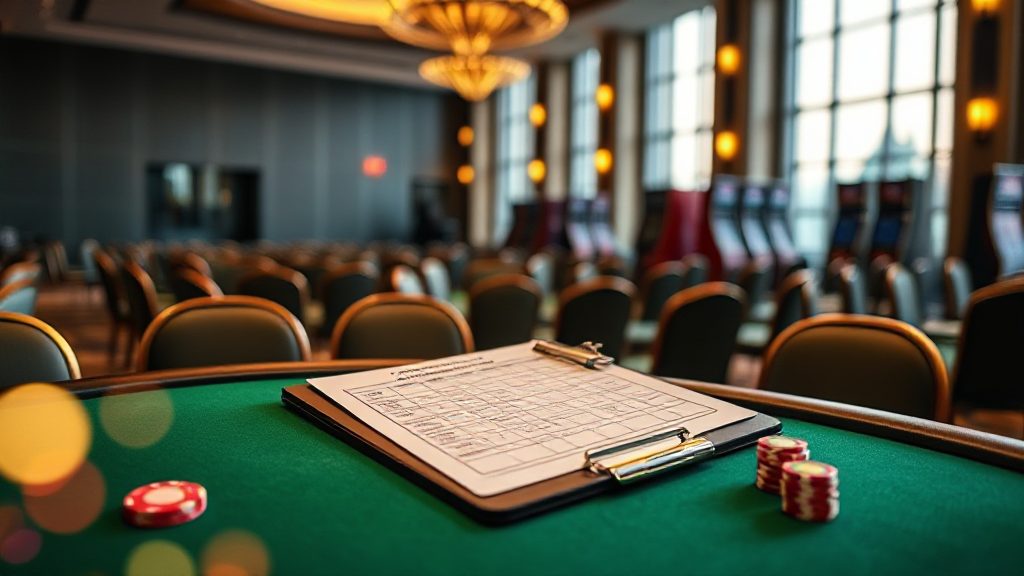
At 4 p.m. the hall is empty: chairs stacked, felt unrolled, and a printed run-of-show sheet on the podium. This is the document that keeps an Omaha poker social from turning into chaos, and the same discipline applies to anyone who runs a table-based event or wants to understand how a room like the one behind Asialive88 Link Resmi keeps its scheduling tight. The plan below is a logistics timeline, not a strategy guide — it covers setup, registration, blind-level pacing, breaks, and teardown, minute by minute.
4:00 p.m. — Empty Hall, Printed Sheet, First Walkthrough
The run-of-show starts before any guest arrives. The stage manager walks the floor with a clipboard and checks three things: table layout, power and lighting, and the registration desk position. Every item on the sheet has an owner and a time, and anything without a time gets one now.
A practical setup order works better than random unpacking:
- Tables first — felt, rails, and chip trays placed before chairs so aisles stay clear.
- Chip counts second — starting stacks sealed in racks, one rack per seat, labeled by table.
- Signage third — blind-level poster, break schedule, and house rules visible from the door.
- Registration desk last — because it needs the final seating chart taped to it.
By 4:40 the hall should look finished. If it doesn’t, the sheet tells you what to cut: usually the decorative extras, never the seating chart.
5:00 p.m. — Registration, Seating, and the First Blind Level
Doors, check-in, and the seating chart
Doors open at 5:00. Check-in runs in two lines — prepaid and walk-in — and a runner escorts late arrivals to open seats. The seating chart is the single source of truth; if two people claim the same seat, the chart wins and the host resolves it quietly away from the table.
Registration closes at 5:45 sharp. That deadline is announced at check-in, printed on the sheet, and repeated once over the microphone. A hard cutoff protects the first blind level, which is the part of the evening most likely to be delayed by stragglers.
The 6:00 start and the pacing rule
Cards fly at 6:00 with the first level set at 20 minutes. The pacing rule on the sheet is simple: levels are timed, not hand-timed. When the clock hits zero, the level changes even if a hand is mid-action — the hand finishes, then the new blinds apply. This keeps the whole room synchronized and prevents one slow table from dragging the schedule.
Blind levels step up every 20 minutes for the first two hours, then every 15. The sheet lists each level with its start time, so the dealer or host can check the clock without debate. Anyone who has watched a well-run betting floor — the kind of timing discipline described around platforms like Asialive88 Link Resmi — will recognize the pattern: fixed intervals, announced changes, no improvisation.
7:00 p.m. to 9:00 p.m. — Breaks, Color-Ups, and Keeping the Room on Schedule
The 7:30 break and the color-up
At 7:30 the room takes a 15-minute break. During that window the staff does a color-up: small chips come off the tables and larger denominations go on. The color-up is scheduled, not spontaneous, because it happens while players are away from their seats and the count can be verified.
Breaks are the pressure valve of the run of show. Two rules keep them from stretching: the break ends when the sheet says it ends, and the next blind level starts on time even if half the room is still in line for coffee. A visible countdown clock at the front of the hall solves most of this without anyone having to nag.
Table balancing and the late-level squeeze
Between 8:00 and 9:00 the sheet schedules table balancing. As players bust, tables are broken from the back of the room forward, and the runner moves players to the shortest table. Balancing is done at the end of a level, never mid-hand, so no one loses a seat or a stack in the shuffle.
The 9:00 mark is also the last re-entry window. After that, the sheet closes registration permanently and the room plays down. Publishing that cutoff early prevents the awkward scene of someone arriving at 9:20 expecting a seat.
One more pacing note: the sheet builds in a five-minute buffer after each break. Buffers absorb the small delays — a disputed pot, a spilled drink, a missing chip — so the schedule self-corrects instead of drifting. Never spend the buffer on an unscheduled announcement.
9:30 p.m. to Lights-Out — Endgame, Payouts, and Teardown
The final levels and the payout window
From 9:30 the blind levels shorten to 12 minutes and the sheet marks the expected finish window: 10:30 to 11:00. The payout station is set up during the 9:30 break — cash counted, envelopes labeled, and a witness assigned — so the winner is paid within minutes of the last hand rather than waiting on a scramble.
The endgame section of the sheet also lists the close-down order, which matters more than it sounds:
- Final hand and winner confirmation.
- Payouts and signature log.
- Chip collection and count by table.
- Table and chair breakdown.
- Floor sweep and lost-and-found check.
Teardown follows the reverse of setup: chairs first, then tables, then the registration desk. The sheet assigns a closer to each zone, and the hall should be empty by midnight. The printed run-of-show gets signed, dated, and filed — it becomes the template for the next event.
The whole document fits on two pages, and that is the point. A run of show is not a wish list; it is a contract with the clock. Build it once, follow it minute by minute, and the Omaha evening runs itself while you watch the room instead of the chaos.